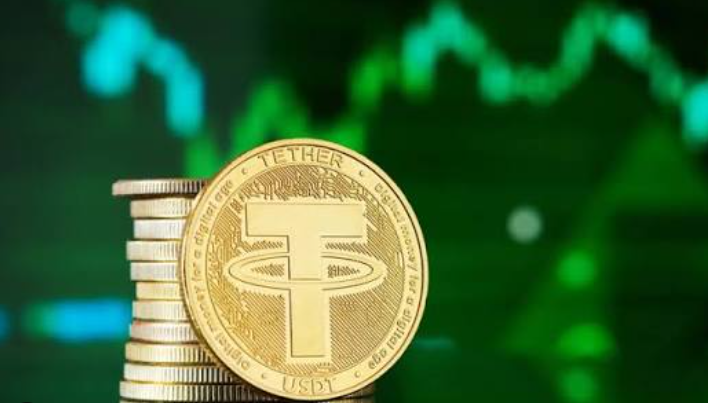
According to a recent report released by the Permanent Subcommittee on Investigations of the U.S. Senate Committee on Homeland Security and Governmental Affairs, Tether (USDT), the world’s largest U.S. dollar-pegged stablecoin, has allegedly been frequently used by Iranian entities to bypass international sanctions and has even been described as a “financial lifeline” within Iran’s shadow banking system.
The report highlights the growing role of crypto assets in cross-border illicit finance and sanctions-avoidance networks, attracting widespread attention from global financial regulators and the cryptocurrency industry.
The Role of USDT in Iran’s Shadow Banking Network
The Senate investigative subcommittee stated in its report released on Monday that the Iranian government and related stakeholders have established a large-scale “cryptocurrency-based shadow banking network.” The network relies heavily on the U.S. dollar stablecoin USDT when processing large-scale cross-border financial transactions.
The report identified several key findings:
1. Sanctions Evasion and Dark Web Transactions
Iran-linked entities have used USDT’s high liquidity and fast cross-border transfer capabilities to bypass traditional SWIFT systems and international banking reviews, enabling the settlement of large volumes of illicit transactions and dark web-related payments.
2. Delayed Response in Freezing Wallets
The report criticized Tether for insufficient performance in identifying and freezing wallets associated with sanctioned entities. Although Tether has the ability to blacklist addresses involved in violations, the report claimed that actual responses have sometimes involved delays of several weeks, reducing the effectiveness of preventing illicit fund transfers.
3. Large Scale of Illicit Funds
The report estimated that in the past year alone, cryptocurrency transactions linked to Iranian government-related entities and affiliated organizations have reached billions of dollars.
The report stated:
“USDT has become an indispensable financial tool within Iran’s shadow banking system. Due to the lack of continuous and proactive risk-control measures, many sanctioned crypto wallets were not frozen immediately, which has contributed to sanctioned entities and terrorist organizations turning toward the more stable USDT.”
Crypto Regulation Upgrade: The Shift from Bitcoin to Stablecoins
It is worth noting that the report does not only target Tether as a single company. Instead, it expands the discussion to the broader impact of cryptocurrencies on national security and the traditional fiat currency system.
In the early stages of cryptocurrency adoption, terrorist organizations and sanctioned entities mainly relied on traditional crypto assets such as Bitcoin for fundraising and payments. However, as Bitcoin’s price volatility remained high and blockchain transparency increased, illicit financial activities gradually shifted toward highly liquid, fiat-pegged stablecoins such as USDT.
The report emphasized that the borderless nature and certain privacy features of crypto assets are being exploited by some actors to weaken the efforts of the United States and the international community in areas such as national security, counterterrorism, and economic sanctions enforcement.
Hundreds of Millions of Dollars in Related Funds Frozen
In response to the allegations raised in the U.S. Senate report, Tether published a blog post on Monday addressing the claims. The company stated that it remains committed to cooperating with global law enforcement agencies to combat money laundering and terrorist financing.
Tether highlighted the following responses and measures:
· Scale of Frozen Funds
Tether stated that it has assisted law enforcement agencies worldwide in freezing nearly $550 million worth of illicit funds associated with Iran and other sanctioned entities.
· Active Cooperation Mechanism
Tether CEO Paolo Ardoino said that the company maintains direct and regular communication with the U.S. Department of Justice (DOJ), the Office of Foreign Assets Control (OFAC), and multiple law enforcement agencies worldwide.
· Enhanced Technical Risk Controls
Tether is continuously improving its blockchain monitoring systems to identify potential violations more quickly and to blacklist relevant blockchain addresses promptly after receiving legitimate regulatory requests.
Paolo Ardoino stated:
“As governments around the world intensify efforts to combat illicit financing, Tether will continue to play a constructive role in ensuring that stablecoin technology is not misused by illegal actors.”
Impact of Crypto Compliance Development on the Industry
For cryptocurrency market participants and investors, stablecoin compliance has become one of the key factors influencing future market development.
1. Increasing Regulatory Pressure
As major economies such as the United States and Europe continue to strengthen compliance requirements for stablecoin issuers such as Tether and Circle, the global crypto industry may face stricter KYC (Know Your Customer) and AML (Anti-Money Laundering) requirements in the future.
2. Potential Changes in the Stablecoin Competitive Landscape
Although USDT currently maintains a leading position in market share and liquidity, regulatory concerns regarding compliance could encourage some institutional investors to shift toward more transparent stablecoins operating under stronger regulatory frameworks, such as USDC.
3. Growth of Blockchain Analytics and Compliance Tracking Technology
The publication of the report further highlights the importance of blockchain analytics companies such as Chainalysis and Elliptic. In the future, the traceability of decentralized networks may become a key requirement for compliant financial institutions seeking access to the crypto ecosystem.
Conclusion
The latest Senate report has once again placed dollar-pegged stablecoins at the center of international political discussions and financial regulatory debates.
Balancing technological innovation with financial security, and finding a way to combine blockchain decentralization with international financial oversight, will remain one of the major challenges facing the cryptocurrency industry in the coming years.
Frequently Asked Questions (FAQ)
Q1: What is Tether (USDT)?
Tether (USDT) is the world’s largest and most widely used U.S. dollar stablecoin. Its value is generally pegged 1:1 to the U.S. dollar and it is widely used for cryptocurrency trading, cross-border settlements, and asset preservation.
Q2: Why Can Stablecoins Be Used to Avoid Sanctions?
Because stablecoins operate on blockchain networks, they offer borderless transactions, fast settlement, and certain levels of privacy. Users can transfer large amounts of funds without relying on traditional banking systems such as SWIFT, which may make them vulnerable to misuse for bypassing financial monitoring.
Q3: Does Tether Have the Authority to Freeze User Assets?
Yes. Unlike fully decentralized tokens, Tether operates as a centralized stablecoin issuer and maintains a “Blacklist” function within its smart contracts. When required by governments or law enforcement agencies, Tether can freeze USDT held at specific blockchain addresses.